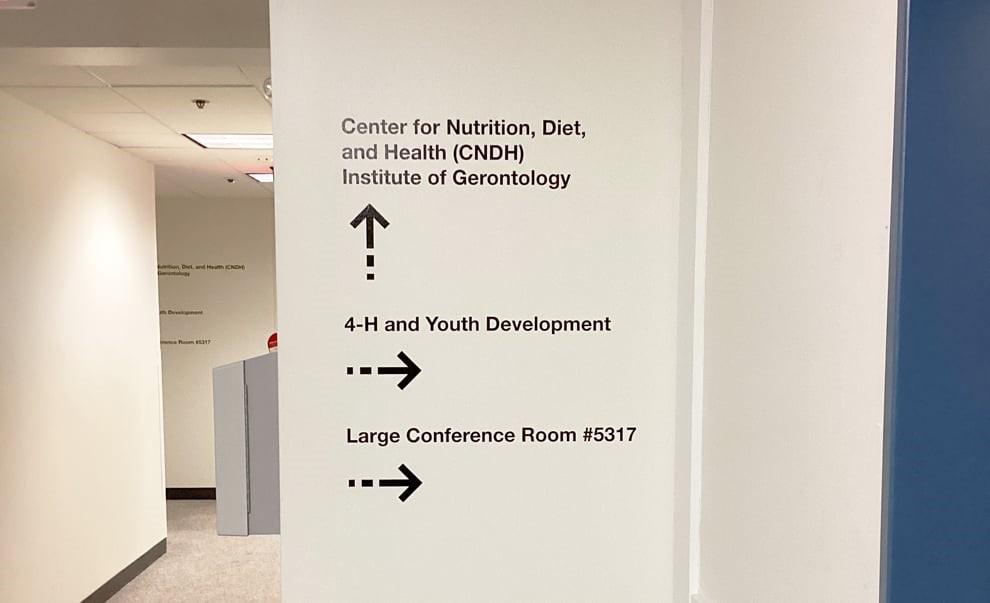
Clear navigation inside professional environments is more than a convenience—it is a key part of workplace branding. In Washington DC, where offices often host visitors, partners, and employees from diverse backgrounds, interior navigation plays a major role in shaping first impressions. Directional signs help people move confidently through workspaces while reinforcing brand identity, order, and professionalism.
Choosing the right system requires more than picking arrows and text. Effective directional solutions align with brand values, interior aesthetics, and long-term usability. This guide explains how organizations can make informed decisions when selecting Directional Signs Washington DC professionals recommend for office environments.
Understanding the Role of Directional Signs in Office Branding
Directional signs serve two important purposes inside offices. First, they guide movement efficiently. Second, they contribute to the overall visual identity of the workplace. When these elements work together, they create an environment that feels organized, intentional, and welcoming.
In Washington DC offices, branding often needs to reflect credibility, clarity, and consistency. Directional signs that are thoughtfully designed support these goals by blending navigation with brand presence. They reduce confusion, improve visitor confidence, and help employees feel comfortable navigating shared spaces.
Well-planned interior signage also supports workflow efficiency. When people can find where they need to go without asking for help, operations move smoothly and distractions are reduced.
Assessing Interior Layout and Traffic Flow
Before selecting any directional signage, it is essential to understand how people move through the office. Traffic flow analysis helps determine where guidance is truly needed. High-traffic corridors, intersections, and shared areas benefit most from clear directional cues.
In multi-level or expansive offices, directional signs should guide users’ step by step, offering reassurance at key decision points. Poor placement can be just as ineffective as poor design, so planning should begin with a full assessment of movement patterns.
This step ensures that Directional Signs Washington DC workplaces rely on are not excessive or insufficient, but perfectly aligned with actual navigation needs.
Aligning Directional Signs with Brand Identity
Branding does not stop at logos or color palettes. Directional signage is part of the visual language of an office and should reflect the organization’s identity. Font styles, layout, spacing, and tone of messaging should align with existing brand standards.
Consistency builds trust. When directional signs match other interior branding elements, they create a cohesive experience that feels professional and intentional. Even subtle choices—such as spacing, proportions, and finish—can influence how visitors perceive the organization.
Directional systems that feel disconnected from the brand can weaken the overall impression. That is why offices in Washington DC often prioritize signage that supports both navigation and brand storytelling.
Choosing Materials That Suit Office Interiors
Material selection plays a crucial role in durability and appearance. Interior directional signs must withstand daily use while maintaining a polished look over time. The right materials contribute to longevity without overpowering the surrounding environment.
In professional offices, finishes should appear refined and purposeful. Materials should complement existing interior surfaces and lighting conditions while remaining easy to maintain. Choosing the right balance ensures the signs remain effective and visually appealing for years.
Offices that invest thoughtfully in Directional Signs Washington DC companies offer often see long-term value through reduced replacements and consistent branding.
Prioritizing Readability and Clarity
Even the most visually appealing sign fails if it is difficult to read. Clear typography, appropriate sizing, and high contrast are essential for effective directional signage. Messages should be concise, avoiding unnecessary wording that may slow comprehension.
Directional signs should communicate information at a glance. People navigating offices often move quickly, so clarity must come first. Symbols and arrows should be intuitive, and spacing should allow information to be absorbed instantly.
Offices that focus on readability improve visitor experience while reinforcing a sense of organization and professionalism.
Ensuring Compliance and Accessibility
Directional signage inside offices should support inclusive navigation. Proper placement heights, spacing, and contrast help ensure usability for a wide range of individuals. While regulations may vary, thoughtful design choices support accessibility without compromising style.
Inclusive signage demonstrates respect and professionalism. In Washington DC, where offices frequently host diverse audiences, accessible directional systems are both practical and reputational assets.
This consideration further elevates Directional Signs Washington DC offices depend on for inclusive and welcoming environments.
Working with Experienced Sign Professionals
Choosing the right partner is just as important as choosing the right design. Experienced professionals understand how to translate branding goals into functional interior signage. They guide organizations through planning, design, and installation with attention to detail.
A reliable resource for organizations exploring professional guidance is this in-depth on interior sign solutions in the region professional sign company services in Washington DC.
Working with experts ensures that directional signage is not only attractive but also effective, compliant, and strategically placed.
Integrating Wayfinding Systems for Larger Offices
For larger office environments, directional signs work best as part of a complete wayfinding system. This approach provides consistent guidance throughout the workspace, reducing confusion and improving flow.
Wayfinding systems create a logical sequence of cues that guide users from entry points through key areas. Offices seeking structured navigation solutions often explore customized options such as Wayfinding Signs Washington DC workplace environments rely on, which can be reviewed here Wayfinding Signs for office interiors.
Planning for Future Growth and Flexibility
Offices evolve over time. Departments shift, layouts change, and teams expand. Directional signage should be designed with adaptability in mind. Modular systems or easily updatable elements help organizations avoid costly replacements.
Forward-thinking planning ensures that Directional Signs Washington DC offices install today remain relevant tomorrow. Flexibility supports long-term branding consistency while accommodating change.
Measuring Success After Installation
Once directional signage is installed, its effectiveness should be evaluated. Feedback from employees and visitors can reveal whether navigation feels intuitive. Reduced questions at reception areas and smoother movement through spaces are strong indicators of success.
Well-designed signage blends into the environment while quietly performing its role. When people navigate effortlessly, the system is doing its job.
Frequently Asked Questions (FAQs)
What makes directional signs important in office interiors?
Directional signs help people move confidently through workspaces while reinforcing organization and brand identity. They improve efficiency and enhance the overall workplace experience.
How often should interior directional signs be updated?
Updates depend on layout changes or branding updates. Flexible designs allow organizations to adapt signage without full replacements.
Can directional signs support brand consistency?
Yes. When designed with brand standards in mind, directional signs become an extension of the organization’s visual identity.
Are directional signs only necessary for large offices?
No. Even smaller offices benefit from clear navigation, especially when hosting visitors or supporting shared spaces.
How do professionals ensure proper placement?
Experienced specialists assess traffic flow, sightlines, and user behavior to position signs where they provide maximum clarity.
Final Thoughts
Choosing the right directional signage is a strategic decision that influences both navigation and brand perception. By assessing layout, aligning with brand identity, prioritizing clarity, and working with experienced professionals, organizations can create interior environments that feel intuitive and professional.
When thoughtfully planned, Directional Signs Washington DC offices implement become more than navigation tools—they become silent ambassadors of brand quality, order, and care.